ベルト脱水機, ベルトプレスフィルター, ココピート & 中国のキャッサバ残渣脱水機メーカー – JIUYI 脱水装置


Vegetable Residues Belt Press Dehydrators Equipment Introduction
Characteristics of Vegetable Residues:
Vegetable residue is a byproduct of vegetable processing and catering, containing high moisture (80% -95%), rich fiber (15% -30%), and small amounts of vitamins and minerals. Its composition varies slightly with the type of vegetable, and it is prone to spoilage and deterioration.
The sources are concentrated in food processing plants (large batches, low impurities) and catering enterprises (scattered, containing oil and impurities). It can be utilized as a resource, such as being dehydrated and fermented into organic fertilizer, processed into livestock and poultry feed additives, or converted into biomass fuel. It can also be used to extract dietary fiber.
Industry pain points are prominent: high moisture content leads to high collection and transportation costs, and is prone to bacterial contamination of the environment. Pre processing (impurity removal, dehydration) requires investment in equipment and funds. Some enterprises have mishandled, resulting in resource waste and environmental risks.
Advantages of belt press dewatering machine:
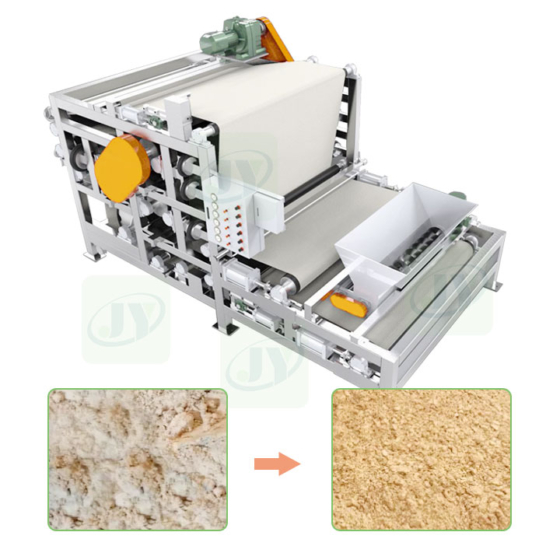
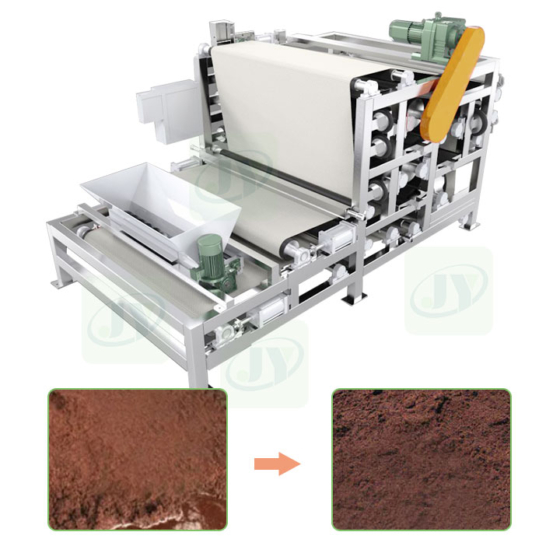
Vegetable residues, containing 80% to 95% moisture, high fiber, and perishable components, require effective processing to prevent spoilage. Belt press dehydrators excel in handling these characteristics, utilizing a streamlined process of continuous feeding, sectional pressing, and discharging to support batch processing and preserve material quality. The graded press system, equipped with a filter belt, separates fiber and water efficiently while maintaining the integrity of the residue’s fiber structure.
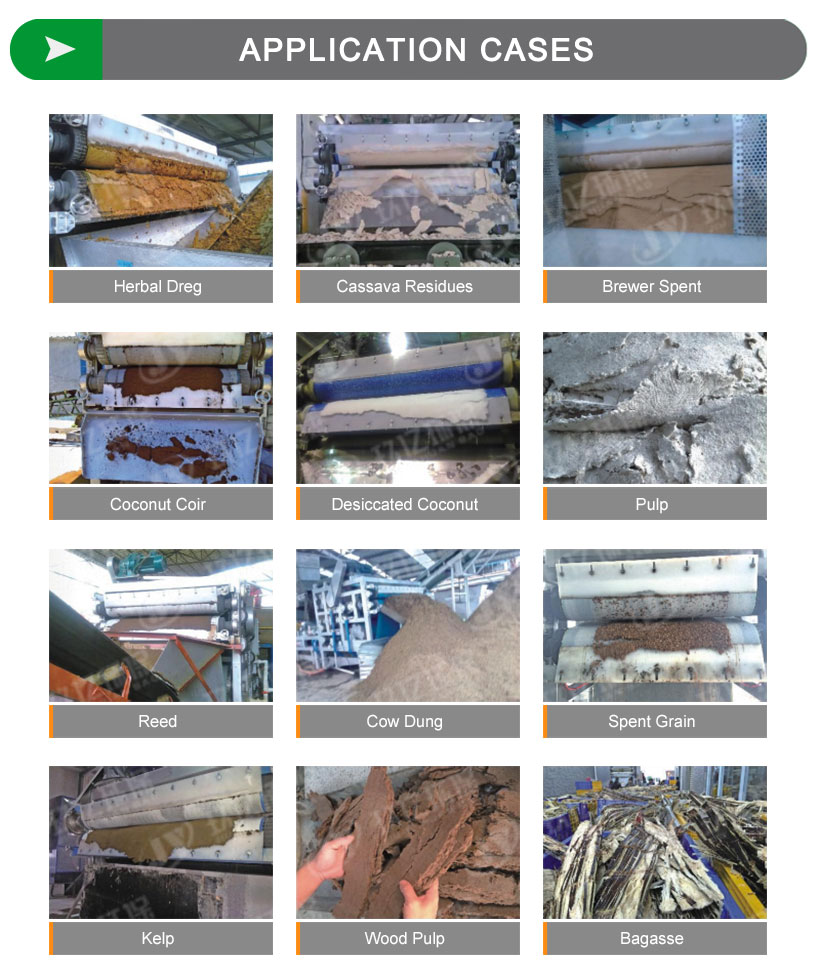
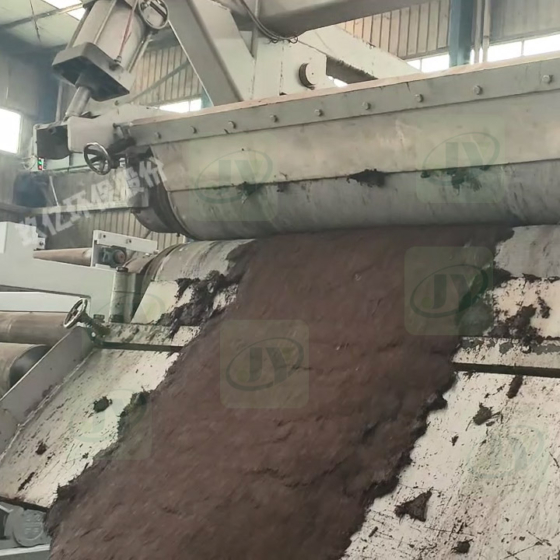
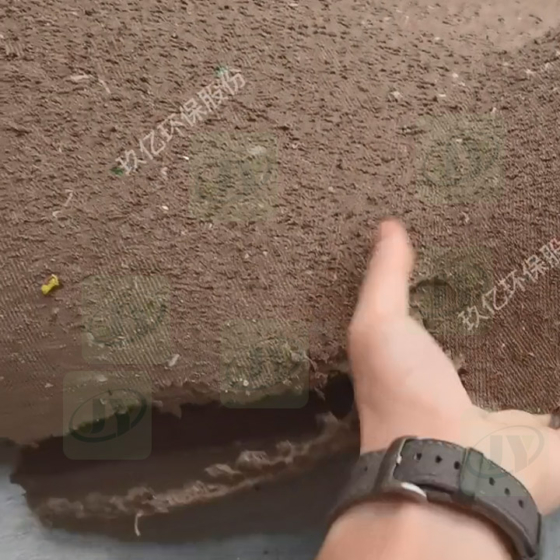
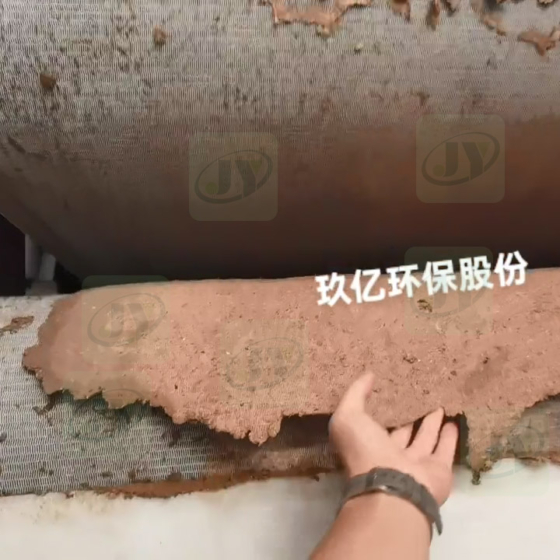
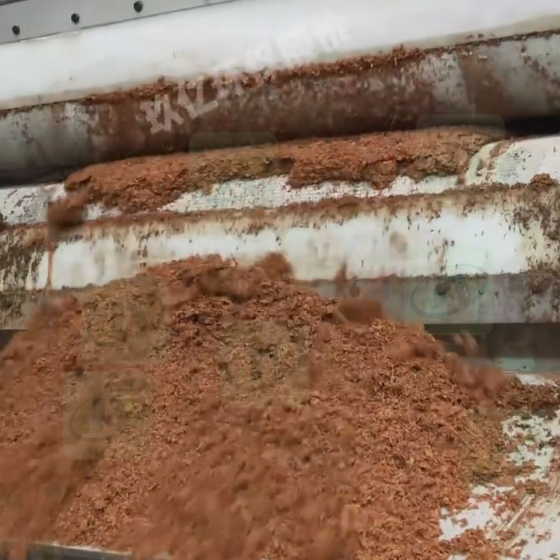
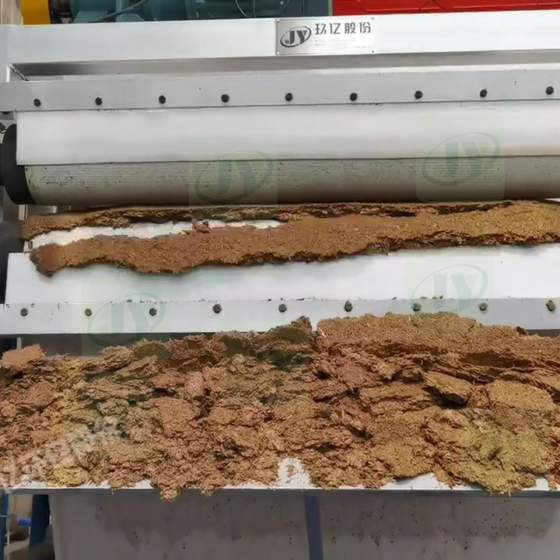
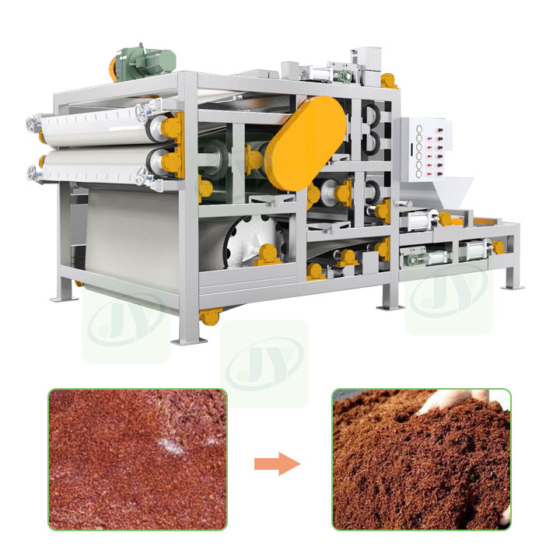
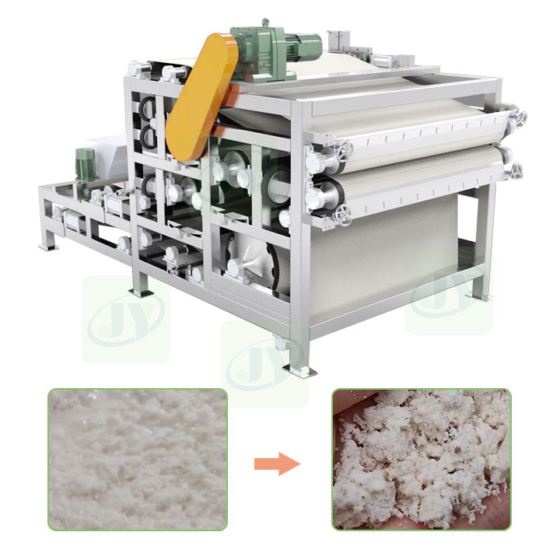
JIUYI’s belt press dewatering machine processes vegetable residues with precision. The system evenly distributes the material onto the filter screen via a feed distribution mechanism. 次, the residues enter the dehydration wedge zone and S-shaped dehydration zone for initial extrusion, reducing moisture content. Three sets of high-pressure rollers then further dehydrate the material, significantly lowering its moisture level. The resulting dehydrated vegetable residues serve as organic fertilizers, livestock and poultry feed additives, or biomass fuels, enhancing resource reuse.


Dehydration Principle Of Vegetable residues Belt Dewatering Machine
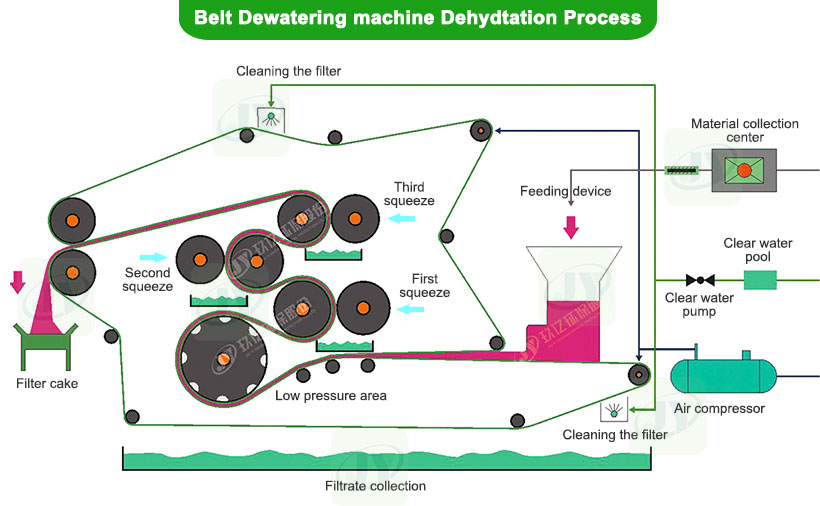
含水率のある材料を輸送します。 80% -90% コンベアを経て脱水機のホッパーへ, and evenly spread the materials on the filter belt through a feeder. 装置の動作に合わせてフィルターベルトが動きます, そしてリミットプレートが材料層を平らに削り取る. 同時に, 材料の厚さを制御して完全に均一かつ一貫したものにする.
それから, 完全に張力を掛けた 2 つの円形フィルター ベルトが材料層の間にクランプされています。, 駆動ローラーによって駆動される. 材料はプリプレス脱水ゾーンを通して連続的かつ繰り返し絞り出されます。, 低気圧地帯, 3組の加圧ローラー高圧ゾーンで大量の水分を除去.
顧客に合わせて、さまざまな材料特性に応じて押出圧力と供給速度を調整します’ 材料の水分要件.
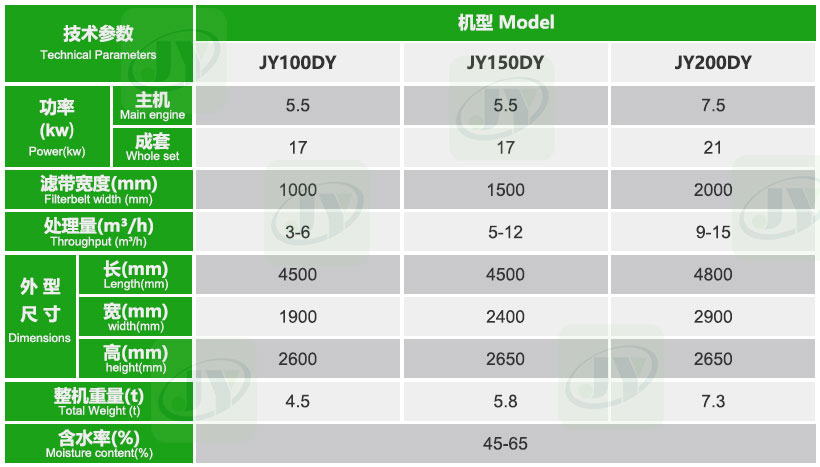
ベルトプレス脱水機の技術パラメータ
JIUYI Brand Belt Press Dewatering Machine Feature
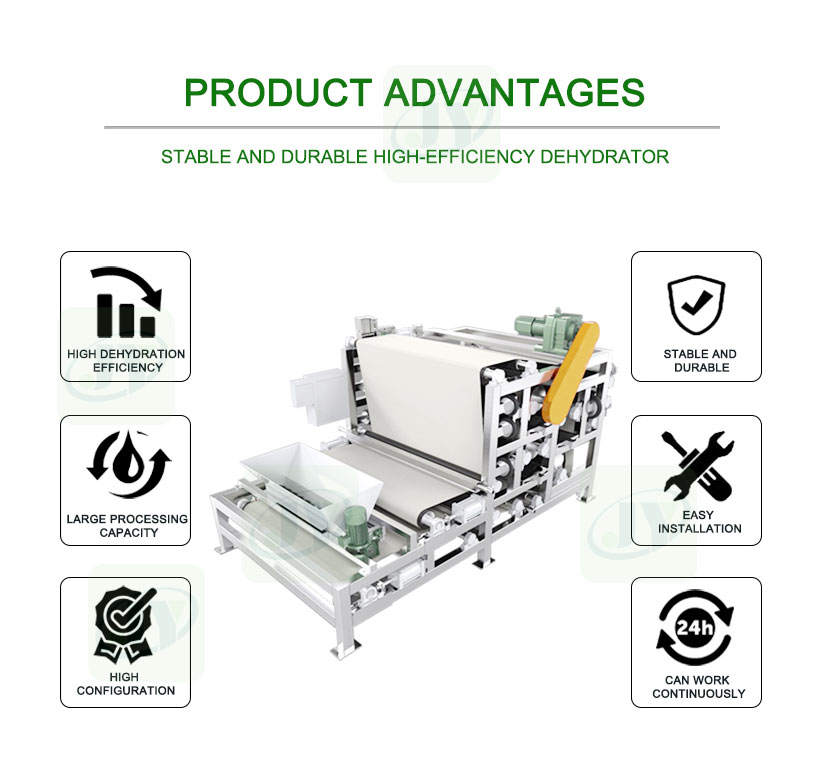
JIUYI脱水機は、長年の材料脱水経験に基づいて当社が独自に開発し、国内外の同様の脱水装置技術を組み合わせた新世代の高効率プレス脱水装置です。. 異なる材料の連続大規模かつ深度の脱水の問題を解決することに成功しました。.
1. 低消費電力, 低騒音, 高い生産効率.
2. この機械は超長い濾過ゾーンを採用しています, 強力な加圧ローラーと組み合わせて複数回の脱水が可能, 高い脱水効率と大きな処理能力を実現.
3. 自動ろ布洗浄装置, 手動介入は必要ありません.
4. 自動ファブリック装置の採用, 給餌はスムーズで信頼性が高い.
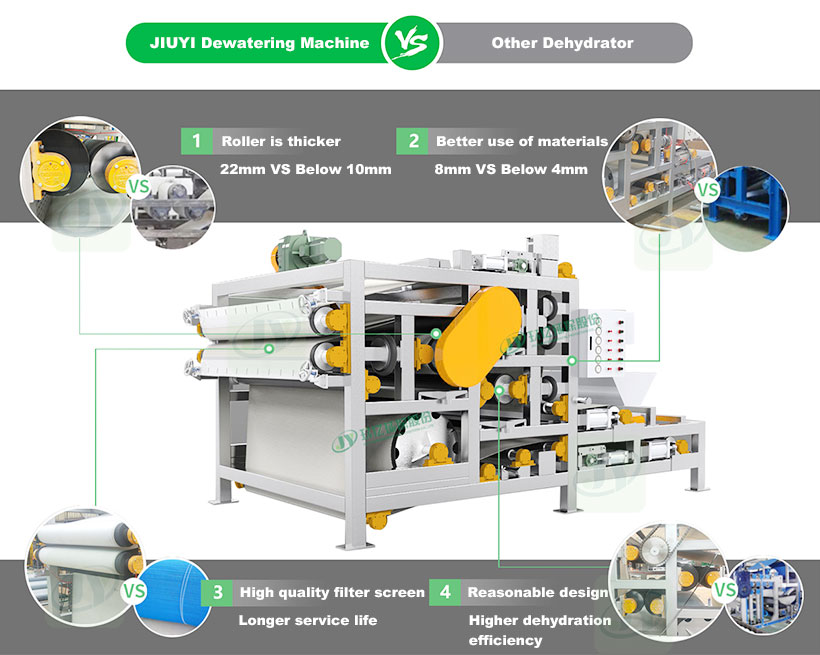
4. 加工と製造には高品質の耐食材料とコンポーネントを選択します.
5. 高度で信頼性の高いフィルターベルト修正および張力装置により、長期にわたる安定した動作が保証されます。.
6. 可変周波数駆動制御, 調整可能な生産速度.
7. 連続して実行できます 24 時間, 高度な自動化により, 簡単な操作, メンテナンスも簡単.
8. 幅広い用途に対応する高度な構造設計.
9. 脱水機の駆動ローラーと絞りローラーに高級素材をコーティング.