Deshidratón de correa, Filtro de prensa de cinturón, turba de coco & Fabricante de máquinas deshidratadoras de residuos de yuca en China – Equipo de deshidratación jiuyi


Vegetable Residues Belt Press Dehydrators Equipment Introduction
Characteristics of Vegetable Residues:
Vegetable residue is a byproduct of vegetable processing and catering, containing high moisture (80% -95%), rich fiber (15% -30%), and small amounts of vitamins and minerals. Its composition varies slightly with the type of vegetable, and it is prone to spoilage and deterioration.
The sources are concentrated in food processing plants (large batches, low impurities) and catering enterprises (scattered, containing oil and impurities). It can be utilized as a resource, such as being dehydrated and fermented into organic fertilizer, processed into livestock and poultry feed additives, or converted into biomass fuel. It can also be used to extract dietary fiber.
Industry pain points are prominent: high moisture content leads to high collection and transportation costs, and is prone to bacterial contamination of the environment. Pre processing (impurity removal, dehydration) requires investment in equipment and funds. Some enterprises have mishandled, resulting in resource waste and environmental risks.
Advantages of belt press dewatering machine:
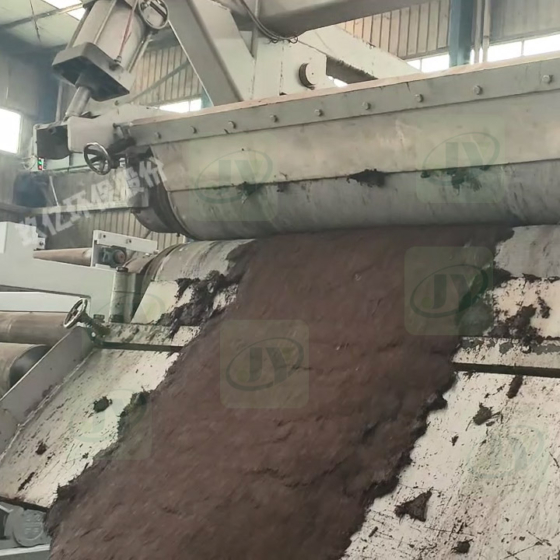
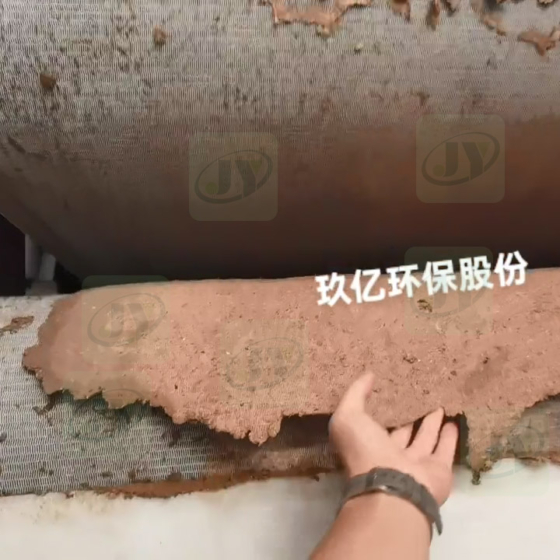
Vegetable residues, containing 80% to 95% moisture, high fiber, and perishable components, require effective processing to prevent spoilage. Belt press dehydrators excel in handling these characteristics, utilizing a streamlined process of continuous feeding, sectional pressing, and discharging to support batch processing and preserve material quality. The graded press system, equipped with a filter belt, separates fiber and water efficiently while maintaining the integrity of the residue’s fiber structure.
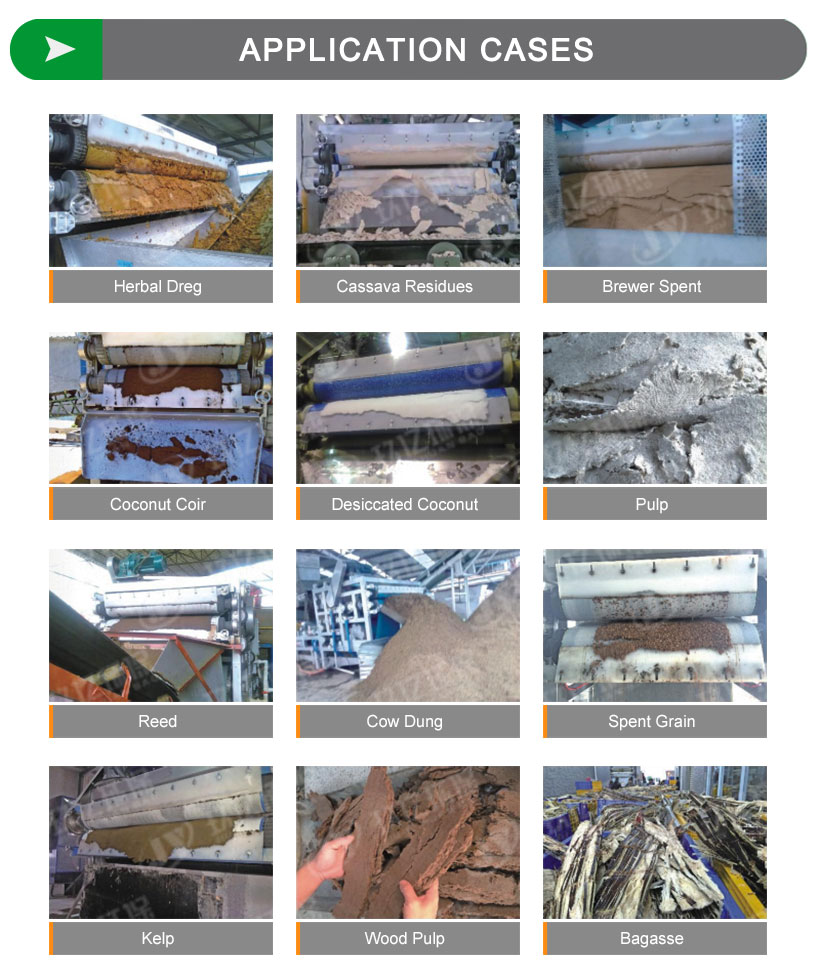
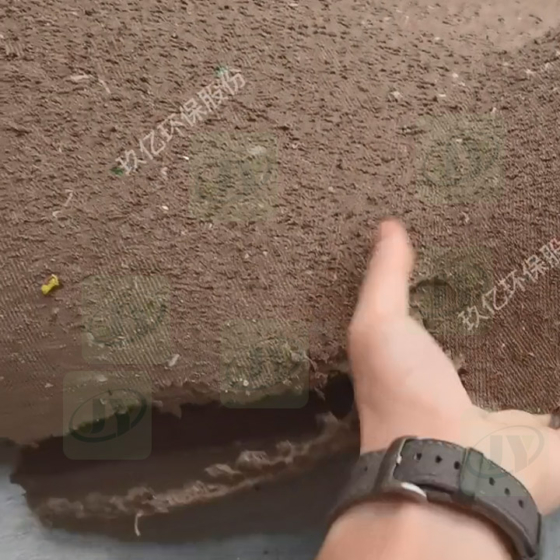
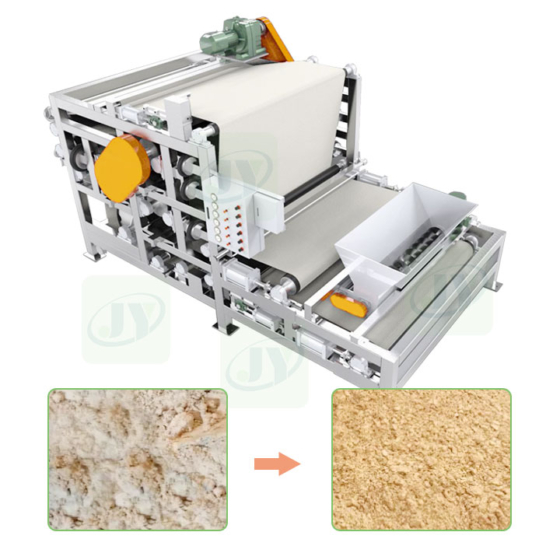
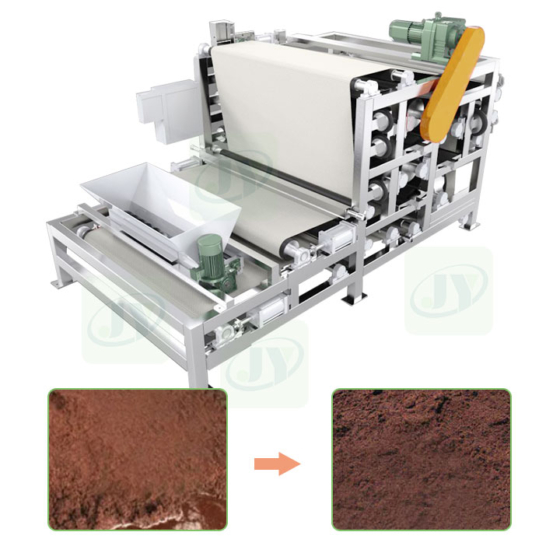
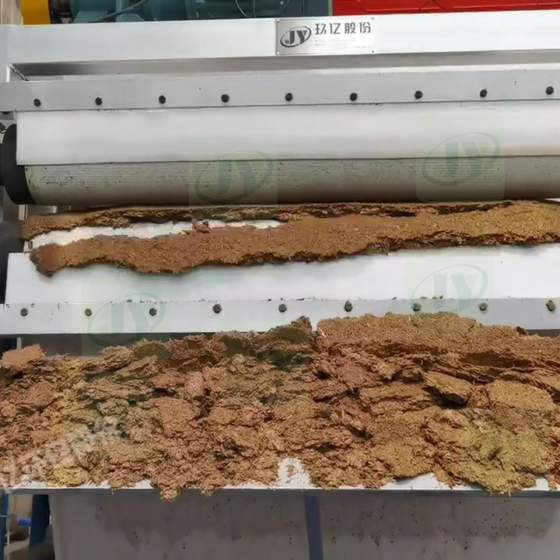
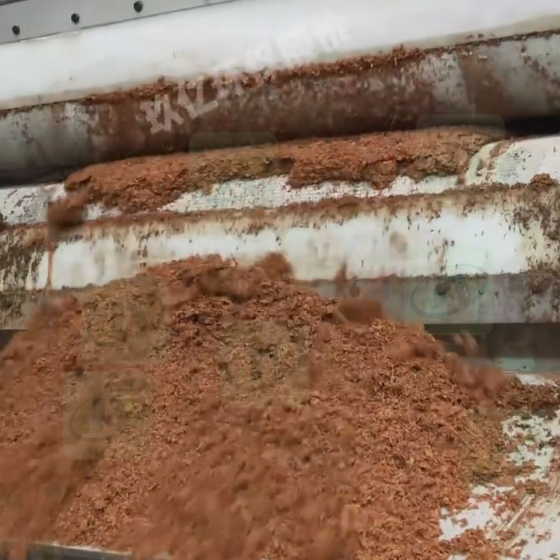
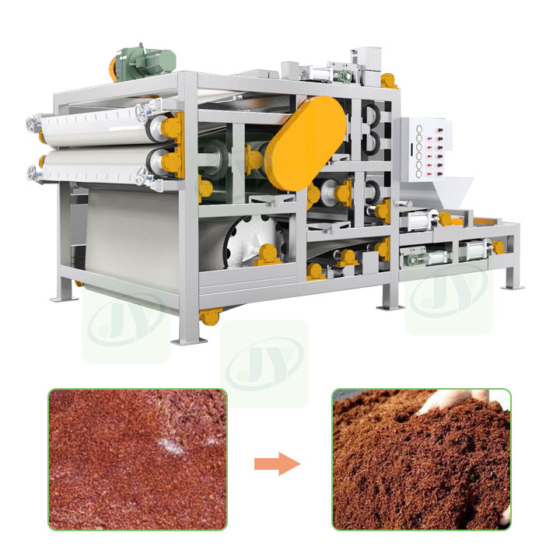
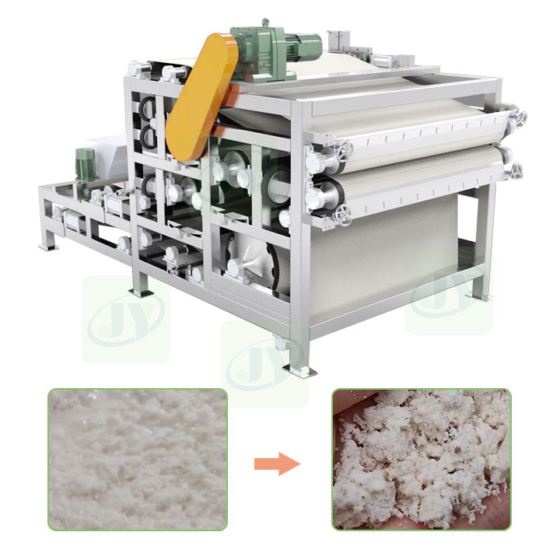
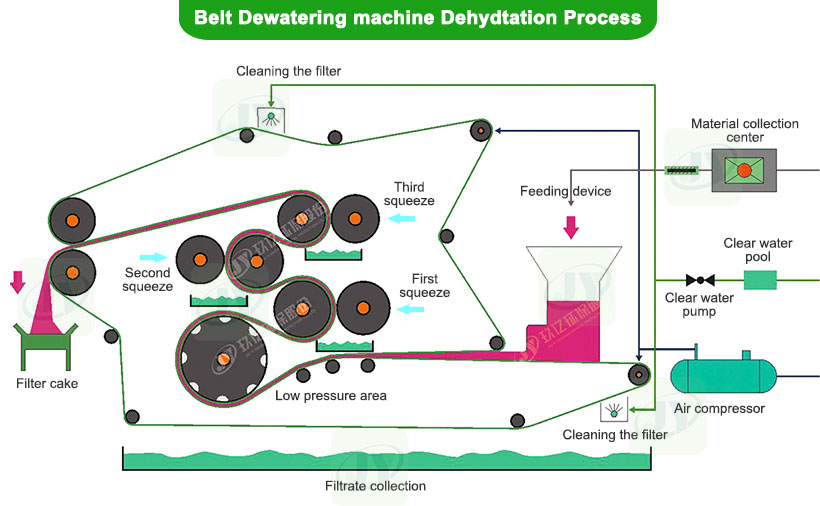
JIUYI’s belt press dewatering machine processes vegetable residues with precision. The system evenly distributes the material onto the filter screen via a feed distribution mechanism. Próximo, the residues enter the dehydration wedge zone and S-shaped dehydration zone for initial extrusion, reducing moisture content. Three sets of high-pressure rollers then further dehydrate the material, significantly lowering its moisture level. The resulting dehydrated vegetable residues serve as organic fertilizers, livestock and poultry feed additives, or biomass fuels, enhancing resource reuse.


Dehydration Principle Of Vegetable residues Belt Dewatering Machine
Transporte de materiales con un contenido de humedad de 80% -90% a la tolva de la máquina deshidratadora a través de un transportador, and evenly spread the materials on the filter belt through a feeder. La cinta filtrante se mueve con el funcionamiento del equipo., y la placa límite raspa la capa de material hasta quedar plana. Al mismo tiempo, controlar el espesor del material para hacerlo completamente uniforme y consistente.
Entonces, Entre la capa de material se sujetan dos correas filtrantes circulares completamente tensadas., impulsado por el rodillo impulsor. El material se exprime continua y repetidamente a través de la zona de deshidratación previa a la prensa., zona de baja presión, y tres juegos de rodillos de presión de zona de alta presión para eliminar una gran cantidad de humedad.
Ajuste la presión de extrusión y la velocidad de alimentación según las diferentes características del material para satisfacer a los clientes.’ Requisitos para la humedad del material..
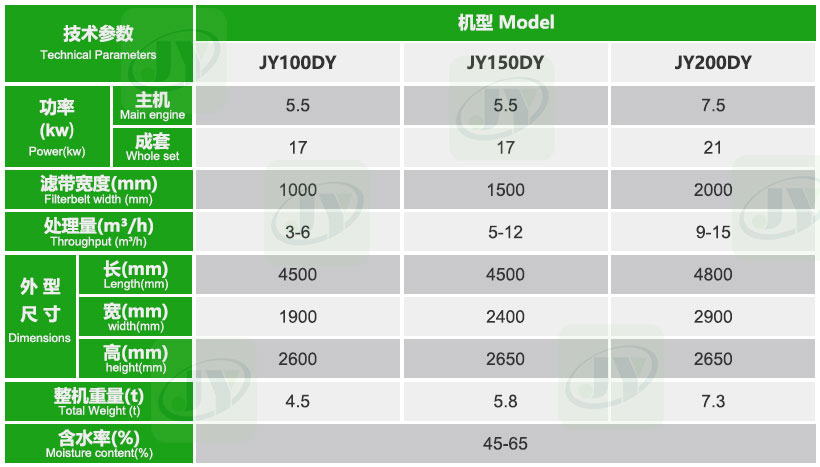
Belt Press Dehydrators Technical Parameter
JIUYI Brand Belt Press Dewatering Machine Feature
JIUYI dehydrators is a new generation of high-efficiency press dewatering equipment independently developed by us based on years of material dewatering experience and combined with similar dewatering equipment technologies at home and abroad. Ha resuelto con éxito el problema de la deshidratación profunda y continua a gran escala de diferentes materiales..
1. Bajo consumo de energía, bajo ruido, alta eficiencia de producción.
2. La máquina adopta una zona de filtrado ultralarga., combinado con fuertes rodillos de presión para deshidrataciones múltiples, lo que resulta en una alta eficiencia de deshidratación y una gran capacidad de procesamiento.
3. Sistema automático de limpieza de tela filtrante., no se requiere intervención manual.
4. Adopción de un dispositivo de tejido automático., la alimentación es suave y confiable.
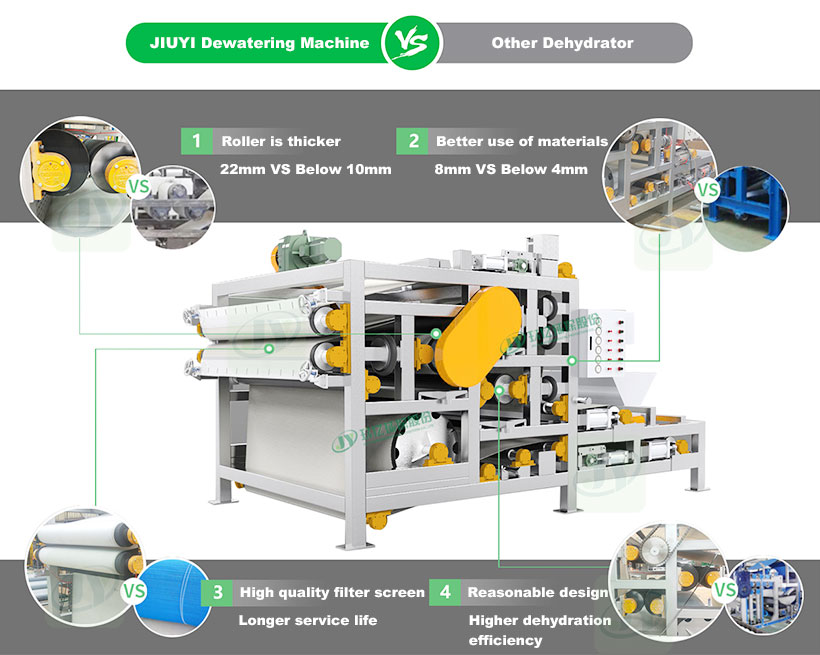
4. Seleccione materiales y componentes anticorrosivos de alta calidad para su procesamiento y fabricación..
5. El dispositivo tensor y de corrección de la correa del filtro avanzado y confiable puede garantizar un funcionamiento estable a largo plazo.
6. Control de variador de frecuencia, velocidad de producción ajustable.
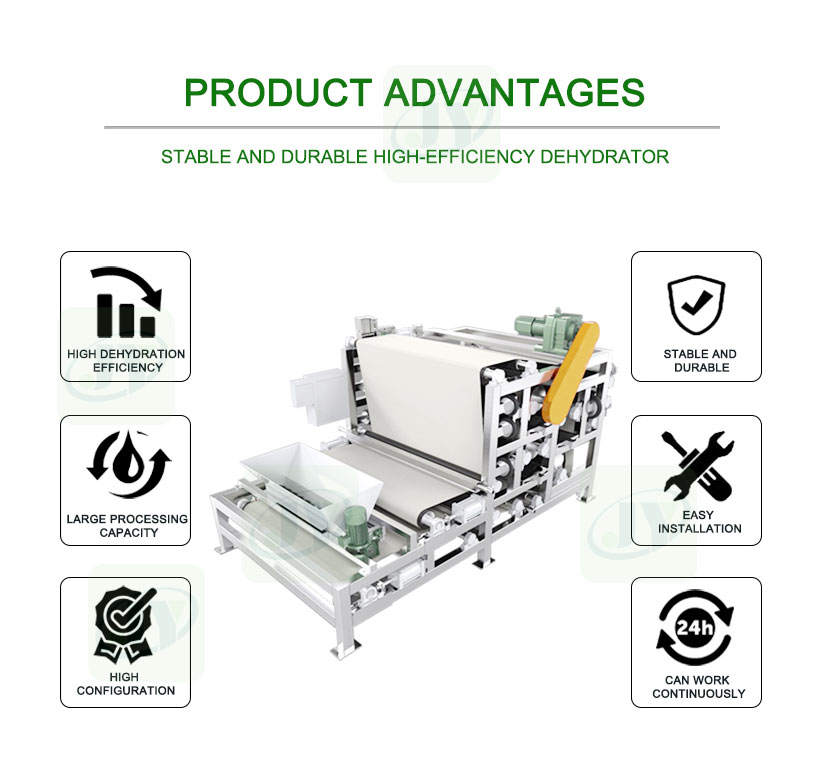
7. Puede funcionar continuamente durante 24 horas, con alta automatización, operación sencilla, y fácil mantenimiento.
8. Diseño estructural avanzado con una amplia gama de aplicaciones..
9. El rodillo impulsor y el rodillo exprimidor del deshidratador están recubiertos con materiales de alta calidad..